Aleppo soap vs. other bar soaps:
Who will win the showdown?
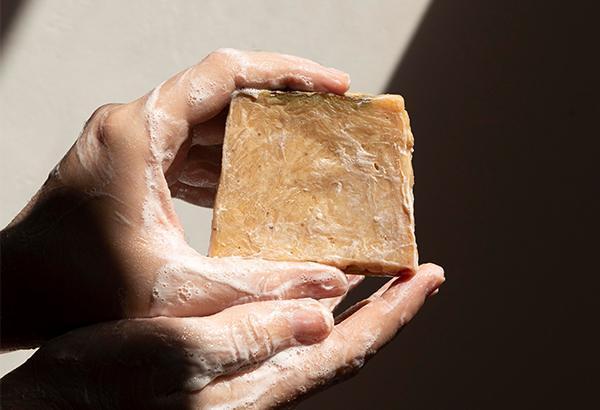
For several years now, bar soaps have been making a big comeback. It’s fair to say that with the trend toward organic, authentic, and wellness-focused products, bar soaps have it all. But unless you’re an expert, it’s hard to navigate the vast array of products available on store shelves. Let’s dive into the world of soap!
What exactly is soap ?
Whether it comes from Marseille, Aleppo, or Castile, all soaps share a common base. In fact, soap is a mixture of plant-based materials that serve as fatty substances (oil, milk, etc.) and lye.
Through a chemical process, the plant-based materials and lye interact to create a new substance: glycerin.
Depending on the fat-to-lye ratio, your soap can be more or less fatty. If there is more fat than lye, your soap is considered superfatted. Conversely, it is described as caustic.
We often hear about cold saponification. But what exactly is it? As the name suggests, this process involves not heating the ingredients. This helps preserve the oils’ properties, as heat can damage certain molecules. However, some oils, such as coconut or olive oil, tolerate high temperatures quite well.

The different types of bar soaps:
A brief overview of the different types of soap available on the market.
Marseille soap
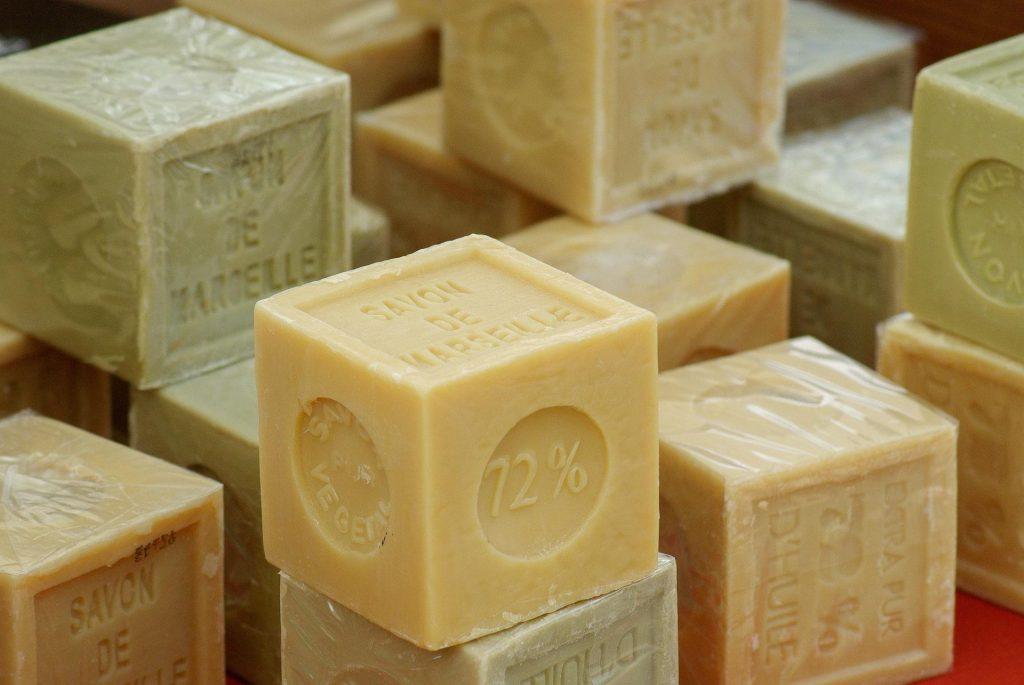
This soap is made from olive oil and lye. Authentic Marseille soap must contain at least 72% olive oil. It is produced using the hot saponification process. It is undoubtedly the best-known and most widely used soap in France.
Castile soap
This soap is less popular than Marseille soap, yet they have many things in common. First, it is made from olive oil. However, unlike Marseille soap, it is made using the cold process.
Aleppo soap
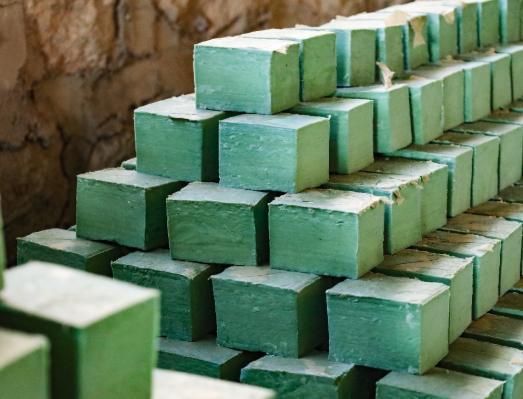
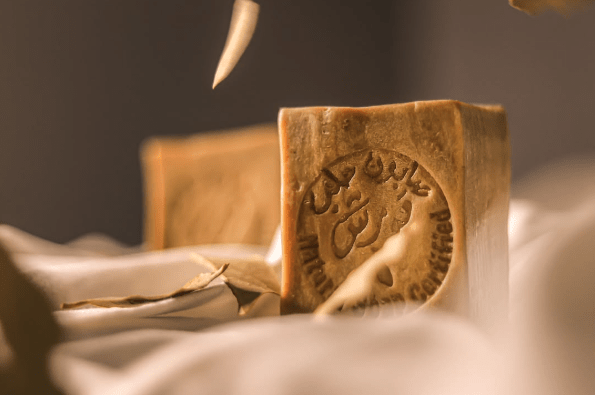
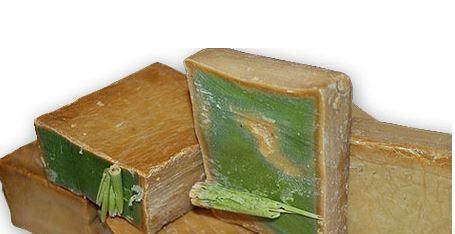
Made from two plant-based oils—laurel berry oil and olive oil—Aleppo soap has a greenish-brown color that makes it instantly recognizable. A product with a history dating back thousands of years, Aleppo soap is recommended for those with oily skin. Laurel berry oil is known for its purifying properties.
Ayurvedic soap
Still relatively unknown, Ayurvedic soap originates from Ayurveda, a traditional Indian system of medicine. This type of exotic soap is fairly new to the French market and has piqued the curiosity of many consumers. In fact, it is a blend of vegetable oil and various plants with medicinal properties.
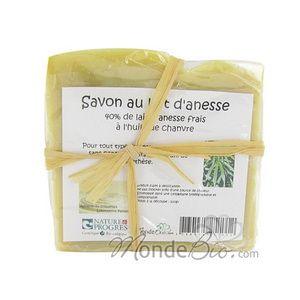
Donkey Milk Soap
Made from two plant-based oils—laurel berry oil and olive oil—Aleppo soap has a greenish-brown color that makes it instantly recognizable. A product with a history dating back thousands of years, Aleppo soap is recommended for those with oily skin. Laurel berry oil is known for its purifying properties.
Which one is right for me?
To help you get a clearer picture, we’ve put together a handy summary table just for you.
| Oily skin | Dry skin | Combination skin | Atopic skin | Mature skin | Home Maintenance | |
| Marseille soap | Yes | Yes | Yes | |||
| Castile soap | Yes | Yes | Yes | |||
| Aleppo soap | Yes | Yes | Yes | Yes | Yes | |
| Ayurvedic soap | Yes | Yes | ||||
| Savon lait d’Anesse | Yes | OUI | ||||
| Black Soap | Yes | Yes |
Now things are clearer, but there are a few more details to consider. There are other oils available on the market that are used in soap-making. Here’s a quick guide to help you understand the options better and find the soap that’s right for you.
Coconut oil: nourishing and antiseptic
Olive oil: antioxidant (prevents signs of aging)
Shea butter: moisturizing and restorative
Beeswax: prevents skin dehydration by forming a protective barrier
Sweet almond oil: ultra-nourishing
Black cumin oil: antiseptic and antibacterial
WARNING: Be careful! Some soaps contain essential oils. Even though they smell wonderful, they are strongly discouraged for children under 7 and pregnant women.
3 Good Reasons to Use Bar Soap
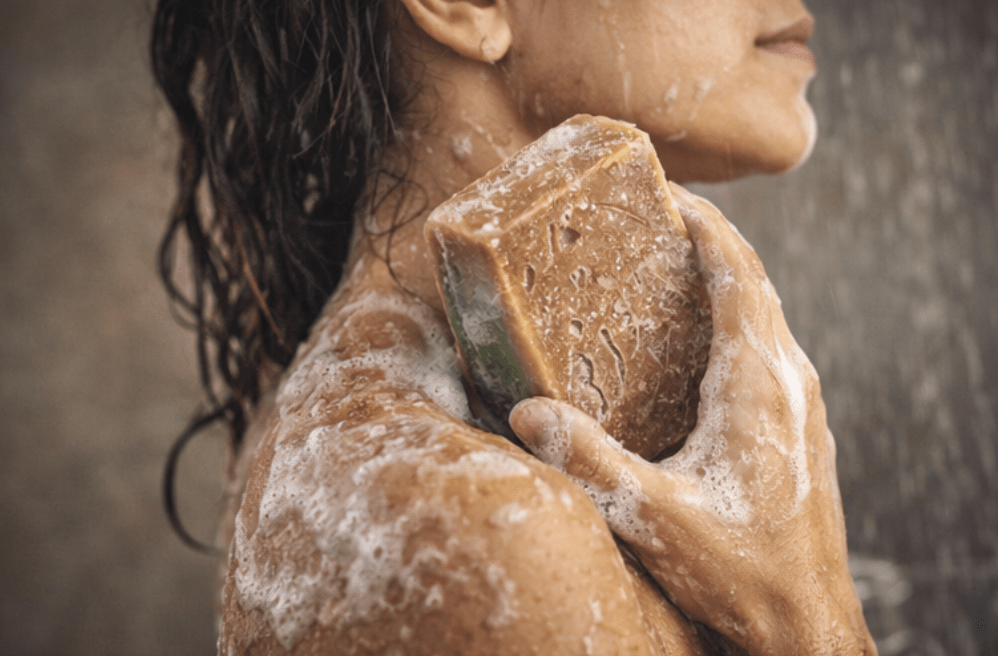
Even though there is competition among bar soaps, the fact remains that they all have major advantages over liquid soaps.
Economical: a 200-gram bar of Aleppo soap will easily last you two months.
Rustic and authentic: some soaps are made using recipes that are thousands of years old, and they’ll take you back to the good old days.
You’re now a soap expert. So, whether it’s Aleppo, Marseille, or goat’s milk soap, let’s all hop in the shower!
Written by Gwendal FOGERON
Les derniers articles
Aleppo soap or Marseille soap?
Aleppo soap or Marseille soap? You’ve probably wondered what the difference is between Aleppo soap and Marseille soap. When should you use one over the[...]
Aleppo soap: Behind the scenes of its production
Aleppo soap: Behind the scenes of its production Aleppo soap may seem like a simple product because its list of ingredients is very short: olive[...]
Aleppo Soap: How Can You Tell the Real Thing from the Fake?
Aleppo soap: How can you tell the real thing from the fake? For several years now, Aleppo soap has been praised for its many benefits.[...]