
ALEP, THE CITY WHERE OUR ALEP SOAPS ORIGINATED
If I say “Aleppo,” you’ll probably think of Aleppo soap right away. But do you know why this soap comes from Aleppo and not from some other city? Or do you know the fascinating story behind this soap?
Aleppo: A millennia-old city steeped in history
Aleppo is one of the oldest cities in the world. Archaeological excavations conducted there have uncovered tablets dating back to 5,000 B.C. Also known as Berea, the city is situated at a strategic crossroads between the Western and Eastern worlds. The city became a cultural and linguistic hub thanks to the various peoples who settled there over the centuries. This geographical position made it the target of numerous conquests throughout its rich history.
As early as 88 B.C., the city was coveted by Tigranes the Great. However, after being defeated by Roman armies, it became a thriving Roman province.
Starting in the 6th century, the city was conquered by the Arabs, who helped expand its borders.

Aleppo experienced a period of prosperity at the end of the first millennium under the Hamdanid dynasty. This was Aleppo’s golden age. This prosperity proved highly attractive. The city of Damascus looked upon Aleppo with envy. A rivalry between these two Syrian cities ensued. But Aleppo’s fame spread beyond the Eastern world and reached as far as Europe.
Indeed, between 1098 and 1124, the ancient city was besieged by the Crusaders.
From 1516 until 1918, Aleppo came under Ottoman rule. They developed numerous businesses there that enriched the city.
But with the onset of the Industrial Age, the city underwent major changes: the development of new sea routes and competition from European manufactured goods caused it to lose its former grandeur.
In 1918, Aleppo fell into British hands following a bloody battle between the Ottoman Turks and the British, supported by Arab rebels. The city even became an autonomous state between 1920 and 1925 before coming under French mandate.
The main landmarks of Aleppo
If you ever have the chance to visit Aleppo, there are a few must-see landmarks you absolutely must visit. First, Beit Ajakbach, located 50 meters from Jdeidé Square, is a magnificent Arab mansion that has been converted into a museum. Believe me, it’s well worth a stop.
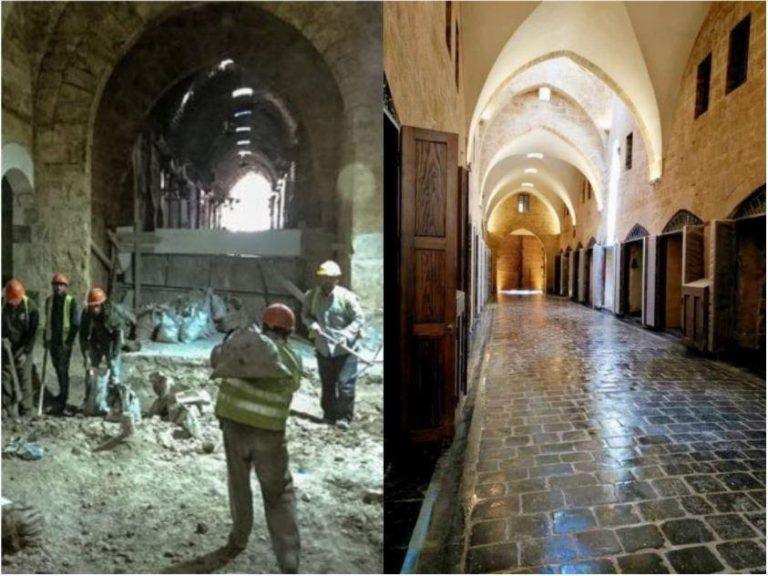
You should also visit the Aleppo Citadel, a symbol of the time when Aleppo was a thriving city. And if you’re still not satisfied, I invite you to visit the Old Souk of Aleppo, which has been completely renovated after being entirely burned down and destroyed. Let me know what you think!
Aleppo: the birthplace of so
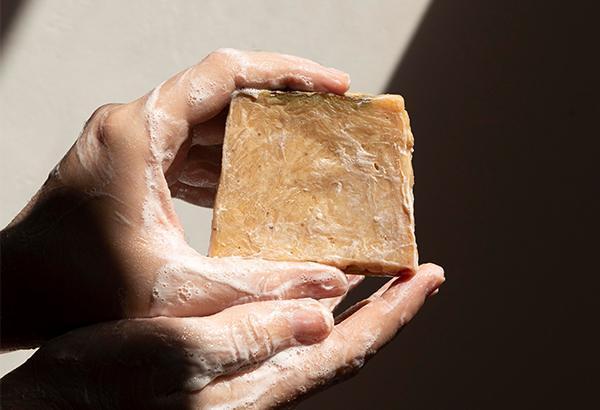
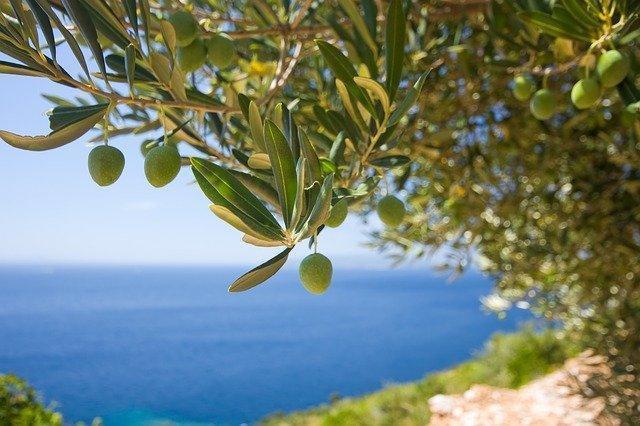
Le savon d’Alep est le plus vieux savon solide du monde. Les historiens ont retrouvé des traces de ce savon il y a plus de 3 500 ans. Une sacrée longévité qui perdure jusqu’à aujourd’hui. La cité d’Alep est tout indiquée pour la production de savon. Son climat permet d’avoir des oliviers en abondance ainsi que de nombreuses plantations de laurier, qui apprécient la douceur méridionale de la ville.
La soude, ingrédient nécessaire à la fabrication du savon, est originaire de la région de Palmyre. Ainsi, l’abondance des matières premières a fait de la ville un haut lieu de production de savon.
Les derniers articles
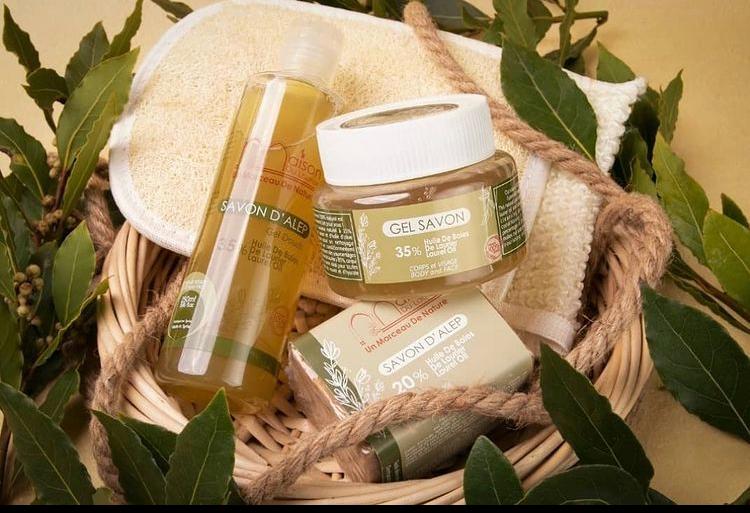
Aleppo soap or Marseille soap?
Aleppo soap or Marseille soap? You’ve probably wondered what the difference is between Aleppo soap and Marseille soap. When should you use one over the[...]
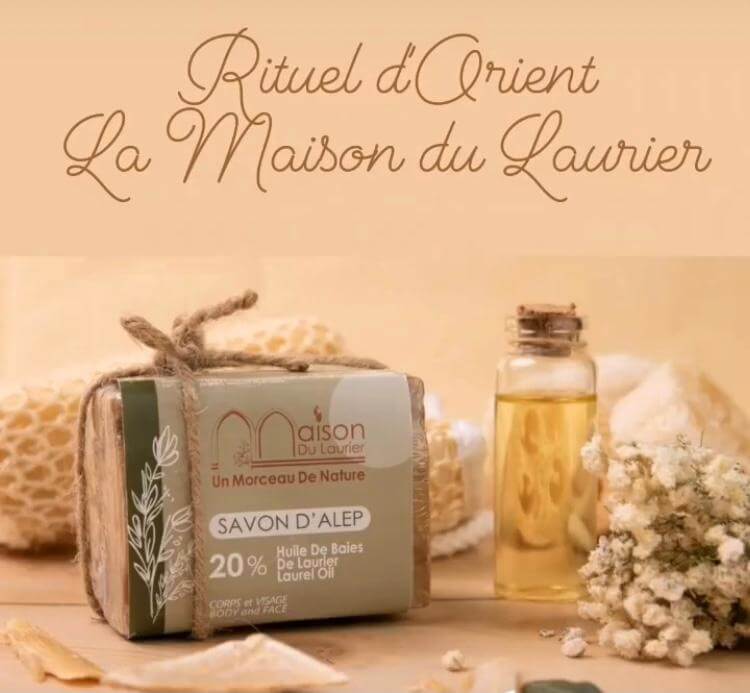
Aleppo soap: Behind the scenes of its production
Aleppo soap: Behind the scenes of its production Aleppo soap may seem like a simple product because its list of ingredients is very short: olive[...]
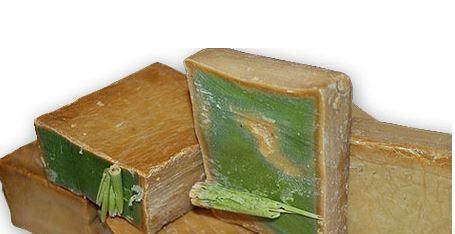
Aleppo Soap: How Can You Tell the Real Thing from the Fake?
Aleppo soap: How can you tell the real thing from the fake? For several years now, Aleppo soap has been praised for its many benefits.[...]