Olive oil
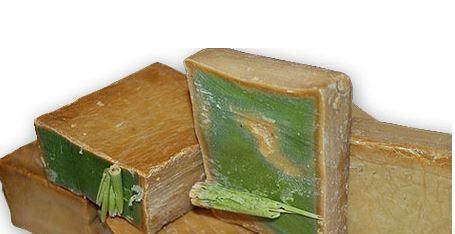
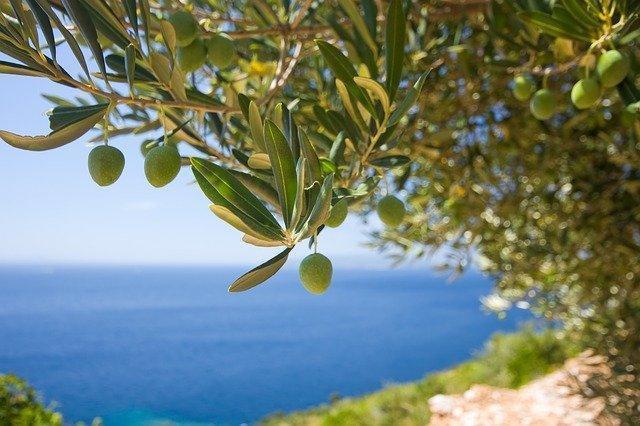
Olive oil is the other key ingredient in Aleppo soap. For many of us, olive oil is synonymous with sunshine and cooking, of course. But this oil is also used in cosmetics for its many benefits. Before we dive into the heart of the matter, a few clarifications are in order.
There are olive oils and olive oils
The term “olive oil” covers a wide range of products. In reality, there are several types of olive oil.
There are four main types of olive oil:
Extra virgin olive oil
Virgin olive oil
Regular olive oil
Olive pomace oil (this oil comes from the refining of olive pomace; it has little value, either culinary or cosmetic)
Opt for Aleppo soaps made with the purest possible olive oil: virgin, or even extra virgin. Your skin will thank you.
Things are already becoming clearer, but be careful—it’s about to get more complicated. Among virgin olive oils, we can distinguish:
Cold-pressed: the pressure applied to the olives to extract the oil is carried out at a temperature below 27 degrees. This process is very gentle on the raw material and helps preserve the olive’s benefits to the fullest extent.
Cold extraction: here, the extraction phase is carried out at a temperature below 27 degrees.
These terms are frequently used by manufacturers without people really knowing what they mean. Now you’re an olive oil expert!
The health benefits of olive oil
There’s a good reason why olive oil is one of the ingredients in Aleppo soap. To understand how it works, we must first examine the chemical structure of this oil. Olive oil consists mainly of oleic fatty acids and, to a lesser extent, linoleic and palmitic fatty acids. It is rich in vitamins A, E, and C. This composition gives olive oil exceptional moisturizing and healing properties.
Use in cosmetics
When used in cosmetics, olive oil can address a variety of skin concerns.
Dry skin: Olive oil helps restore the hydrolipidic film on the skin’s surface. Very often, mass-market soaps strip away this protective barrier excessively.
Skin lacking suppleness: Olive oil deeply nourishes the epidermis.
Mature skin: Olive oil helps prevent skin aging by limiting the formation of free radicals.
What’s good for the skin is also good for the hair. Olive oil will restore shine and nourish your hair right down to the roots.
In Closing: Aleppo soap, olive oil, and laurel berry oil—a winning combination
The reason Aleppo soap is so beneficial for your skincare routine is that it combines two plant-based oils with complementary properties.
Laurel berry oil purifies and cleanses your skin, while olive oil deeply nourishes it. Therefore, the more sebum your skin produces (which is what makes skin oily), the more you should opt for an Aleppo soap with a high concentration of laurel berry oil.
Les derniers articles
Aleppo soap or Marseille soap?
Aleppo soap or Marseille soap? You’ve probably wondered what the difference is between Aleppo soap and Marseille soap. When should you use one over the[...]
Aleppo soap: Behind the scenes of its production
Aleppo soap: Behind the scenes of its production Aleppo soap may seem like a simple product because its list of ingredients is very short: olive[...]
Aleppo Soap: How Can You Tell the Real Thing from the Fake?
Aleppo soap: How can you tell the real thing from the fake? For several years now, Aleppo soap has been praised for its many benefits.[...]